Blue Origin is a privately held aerospace company founded by Jeff Bezos that develops reusable launch vehicles, rocket engines, lunar landers, in-space mobility systems, and satellite communications infrastructure. Its current programs span the New Shepard suborbital system, the New Glenn heavy-lift rocket, the BE-4 engine family that also powers ULA's Vulcan, the Blue Moon lunar lander family, the Blue Ring spacecraft platform, and the TeraWave network. The FAA closed its NG-3 mishap investigation and lifted the New Glenn grounding on May 22, 2026 — pinning the BlueBird 7 deployment failure on a cryogenic leak that froze a hydraulic line — but six days later, on May 28, a New Glenn exploded during a hotfire at Cape Canaveral's LC-36, destroying the transporter-erector at Blue Origin's only New Glenn pad. CEO Dave Limp said on June 2, 2026 that the rocket will fly again before year-end via an alternative vertical assembly path, with the propellant farm, water tower, a second flight-ready booster, and three upper stages intact; the Blue Moon MK1 'Endurance' cargo lunar lander has completed thermal vacuum testing at NASA Johnson and is being prepared for a launch later in 2026. Reporting in mid-May 2026 also revealed that Blue Origin is weighing its first-ever outside fundraising — Capstone Partners pegs 2026 spend at ~$4.8B against ~$28B of cumulative Bezos investment — as Limp targets a future cadence of about 100 launches a year.
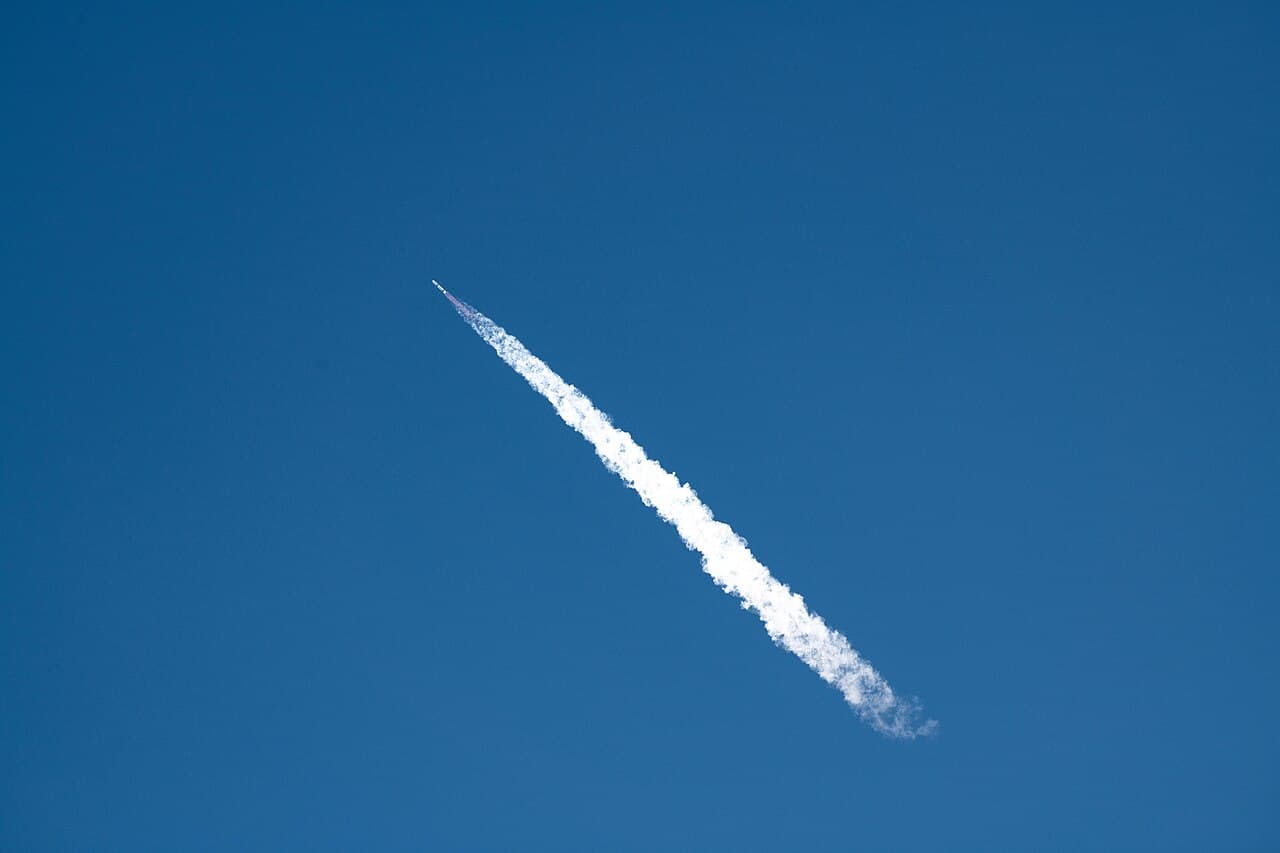
Heavy-lift orbital launch vehicle with a reusable first stage, designed for commercial, civil, and national security missions.
NG-1 reached orbit on January 16, 2025. NG-2 launched NASA's ESCAPADE spacecraft on November 13, 2025 and landed the booster on Jacklyn. NG-3 (April 19, 2026) reused and re-landed that booster but suffered an upper-stage BE-3U thrust shortfall — traced to a cryogenic leak that froze a hydraulic line — that left BlueBird 7 short of orbit; the FAA closed its investigation and lifted the grounding on May 22, 2026. A New Glenn was destroyed in a May 28, 2026 hotfire explosion at LC-36, damaging the transporter-erector at Blue Origin's only New Glenn pad; the company plans an alternative vertical assembly path to return to flight before year-end.
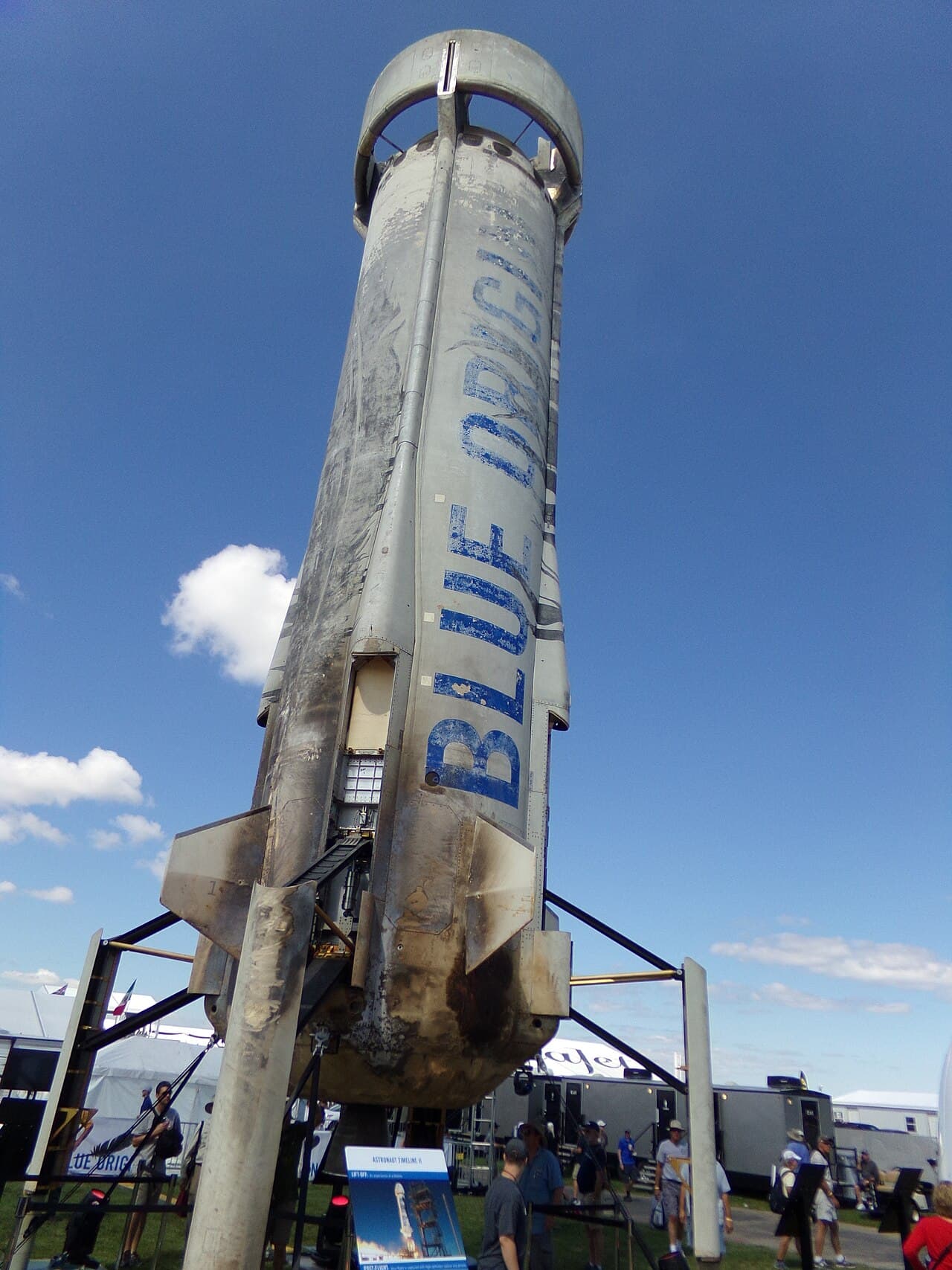
Suborbital launch vehicle for space tourism and research, capable of fully autonomous vertical landing and reuse.
New Shepard completed 38 flights and flew 98 humans above the Karman line before Blue Origin paused the program on January 30, 2026 for no less than two years to redirect resources toward lunar human flight development.
Liquid oxygen/liquefied natural gas (methane) rocket engine — the first American-made oxygen-rich staged combustion engine. Powers New Glenn and ULA Vulcan Centaur.
BE-4 is in full-rate production in Huntsville and powers both the seven-engine New Glenn booster and ULA's two-engine Vulcan first stage.
Lunar landing system family with a cargo-focused Mark 1 variant and a crew-capable Mark 2 variant being developed for NASA's Artemis program.
The first Blue Moon MK1 'Endurance' completed environmental testing inside NASA Johnson Space Center's Thermal Vacuum Chamber A in May 2026 and is being prepared for radio-frequency compatibility testing at Lunar Plant 1 in Florida ahead of a launch to the lunar south pole later in 2026 on New Glenn under NASA's CLPS program. MK2 development continues toward NASA's Artemis V crewed lunar landing in 2029.
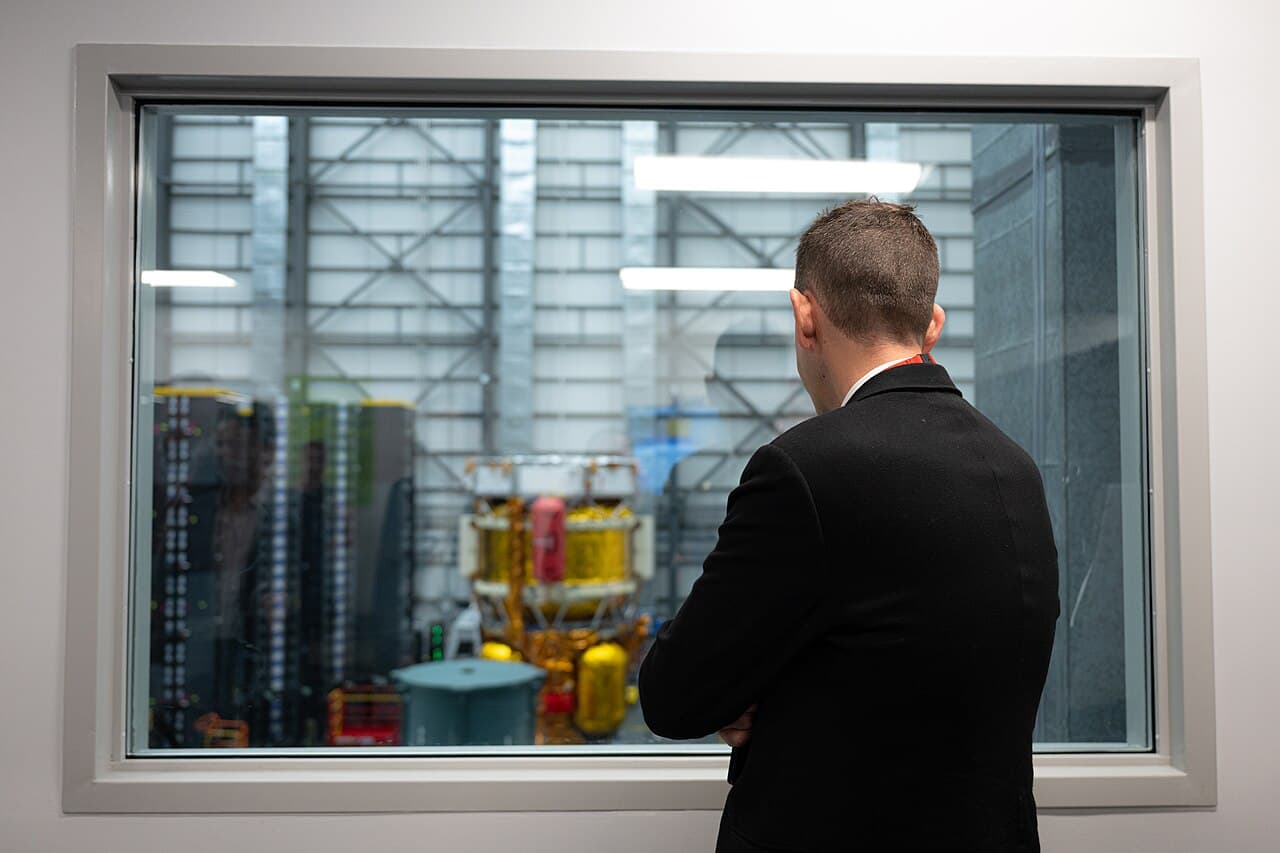
Multi-mission in-space transport platform with hybrid chemical and solar-electric propulsion, providing hosting, transportation, refueling, data relay, and in-space cloud computing services.
A Blue Ring pathfinder payload flew on NG-1 in January 2025. Blue Origin is targeting the first full Blue Ring mission in 2026 as a fully commercial GEO space-domain-awareness mission carrying Optimum Technologies' Caracal optical payload alongside Scout Space's Owl sensor and internally developed payloads.
Delta-V3,000-4,000 m/s
Payload CapacityUp to 4,000 kg (hosts >3,000 kg across 13 ESPA ports)
Enterprise broadband satellite constellation with 5,408 optically interconnected satellites across LEO and MEO, delivering up to 6 Tbps symmetrical data speeds for enterprise, data center, and government customers.
Blue Origin introduced TeraWave in January 2026 as a multi-orbit network for enterprise, data center, and government customers. Constellation deployment is slated to begin in Q4 2027.
Constellation Size5,408 satellites (5,280 LEO + 128 MEO)
Commercial space station project being developed by Blue Origin and partners as a mixed-use destination for research, industrial, international, and commercial customers in low Earth orbit.
NASA reported continued Orbital Reef design-development progress in April 2025, including human-in-the-loop testing of major station components.
Program StatusNASA-supported design development
Operational TargetSecond half of the decade
What's Next
Rebuild LC-36 and return New Glenn to flight
With the FAA grounding lifted on May 22, 2026, the gating item for return-to-flight is rebuilding LC-36 after the May 28 hotfire explosion. Rather than replace the destroyed transporter-erector, Blue Origin adopted a hybrid horizontal-integration/crane-erect concept of operations (detailed June 30, 2026): stages are mated horizontally in the integration facility, rolled to the pad, and raised vertical by crane, with the payload installed only after the vehicle is upright. By early July 2026 debris removal was complete and reconstruction had begun; the company targets a rebuilt LC-36A ready by December 2026 for NG-4 (likely the next Amazon Leo batch, flown on the second flight-ready booster), with a second pad, LC-36B, expected in service by late 2027 to lift long-term cadence.
December 2026
Blue Moon MK1 'Endurance' lunar demo mission
Fly the first Blue Moon Mark 1 cargo lander ('Endurance') to the Moon's south pole (Shackleton Connecting Ridge), validating up to 3-tonne cargo delivery, cryogenic propulsion, and autonomous GN&C. NASA's Moon Base I launch window is no earlier than fall 2026; the lander has cleared thermal vacuum testing at NASA Johnson and is moving into radio-frequency compatibility testing at Lunar Plant 1, though launch timing is tied to New Glenn's return to flight.
NET fall 2026
Blue Ring first operational mission
Launch the first full Blue Ring mission, expected to become the first fully commercial GEO space-domain-awareness mission, carrying Optimum Technologies' Caracal sensor with Scout Space's Owl payload and internal payloads. Launch timing is now gated by New Glenn's return to flight after the LC-36 explosion.
2026–2027
TeraWave constellation deployment begins
Begin deploying the 5,408-satellite TeraWave broadband network (5,280 LEO + 128 MEO satellites in Q/V-band) on New Glenn rockets, delivering up to 144 Gbps LEO and 6 Tbps MEO optical capacity for enterprise, data center, and government customers worldwide.
Q4 2027
Blue Moon crewed lunar landing for Artemis V
Complete development of the Mark 2 crewed lander and execute the first crewed lunar surface mission under NASA's Artemis V, delivering astronauts to the lunar south pole.
Blue Origin raises $10B at $130B valuation in first outside round
Blue Origin is raising about $10 billion at a $130 billion pre-money valuation, its first-ever external fundraising round, according to reports on July 8. Coatue is expected to invest roughly $4 billion and founder Jeff Bezos about $2 billion, with other large investors covering the balance. The raise follows the late-May New Glenn static-fire explosion and rides a wave of investor interest in space companies after SpaceX's record IPO.
Jul 4
Blue Origin details crane-based plan to fly New Glenn again
Blue Origin on June 30 outlined a redesigned launch-pad approach for returning New Glenn to flight after a May 28 static-fire explosion destroyed a vehicle and the pad's transporter-erector at Cape Canaveral's Launch Complex 36. Under the new hybrid concept of operations, the rocket's stages are mated horizontally in the integration facility, rolled to the pad and lifted vertical with a crane, with the payload installed only after the vehicle is upright. The company reiterated it aims to return New Glenn to flight by the end of 2026, and NASA Administrator Jared Isaacman called Blue Origin's response 'almost beyond impressive.'
Jun 27
Blue Origin begins rebuilding New Glenn launch pad
Blue Origin CEO Dave Limp said the company has started reconstruction of Launch Complex 36 at Cape Canaveral after a New Glenn rocket exploded on the pad during a May 28 static fire, with all debris cleared from the site in nine days. Limp said the propellant farm, fuel tanks and water tower were not seriously damaged, and that Blue Origin still aims to return New Glenn to flight before the end of 2026 — partly by adopting an alternative vertical concept of operations that avoids replacing the transporter-erector. The grounding has slowed deployment of Amazon's Leo broadband constellation, which counts on New Glenn for heavy-lift launches.
Jun 11
NASA names Artemis III crew to test SpaceX and Blue Origin landers
NASA on June 9 named the four astronauts for Artemis III — commander Randy Bresnik, pilot Luca Parmitano (ESA), and mission specialists Frank Rubio and Andre Douglas — for a roughly two-week flight that will stay in low-Earth orbit to rendezvous and dock with both human landing systems before any crewed lunar landing. Administrator Jared Isaacman said Orion will link up with Blue Origin's Blue Moon and SpaceX's Starship landers to evaluate life support and other critical systems, with launch targeted as soon as late 2027. The plan turns the crewed test directly on the two companies' lander programs, both of which face hurdles — Blue Origin after the May 28 New Glenn pad explosion and SpaceX as it works to ready Starship for an orbital lander test.
Space Force hands Blue Origin first national security launch task order
The U.S. Space Force awarded Blue Origin its first NSSL Phase 3 Lane 1 task order on May 28, 2026 — hours before the New Glenn rocket exploded during a hotfire at Cape Canaveral's LC-36. Designated NRO Task Order-4, the award directs Blue Origin to launch a National Reconnaissance Office satellite from Cape Canaveral in the fourth quarter of 2027 or first quarter of 2028 under the lower-risk Lane 1 contracting track, which is reserved for missions that can accept greater launch risk than the military's most critical payloads. A May 29 Space Force press release confirmed the service remains a 'committed partner' with Blue Origin and that the ground-test explosion does not trigger automatic disqualification under Phase 3 program rules.
Operations & Revenue
StatusPartially operational — New Glenn cleared by FAA, LC-36 pad rebuild underway, Amazon Leo manifest frozen
New Glenn has flown three times and demonstrated booster recovery and reuse. The FAA closed its NG-3 mishap investigation and lifted the New Glenn grounding on May 22, 2026, after Blue Origin attributed the BlueBird 7 deployment failure to a cryogenic leak that froze a hydraulic line and committed to nine corrective actions. Six days later, on May 28, 2026, a New Glenn exploded on the pad during a hotfire at LC-36 — Blue Origin's only New Glenn launch complex — destroying the transporter-erector and freezing Amazon's 24-launch Leo manifest, with NG-4 having been on the pad to fly 48 Project Kuiper satellites as early as June 4. On June 2, 2026 CEO Dave Limp committed to returning New Glenn to flight before the end of 2026 via an alternative vertical assembly path, and by mid-June 2026 the company had begun rebuilding LC-36, with Bezos and Limp reporting good recovery progress around June 17 and noting that the propellant tanks and a processing hangar survived while the damaged main support gantry can be repaired in place. By early July 2026 Blue Origin said hardware recovery and debris removal were complete and reconstruction had begun, adopting a hybrid horizontal-integration/crane-erect concept of operations: it targets a rebuilt LC-36A ready by the end of 2026 for New Glenn's return to flight, with a second pad (LC-36B) expected in service by late 2027 to lift long-term cadence. BE-4 is in full-rate production for New Glenn and ULA's Vulcan, New Shepard remains paused for no less than two years, the Blue Moon MK1 'Endurance' lander has completed thermal vacuum testing at NASA Johnson and is in radio-frequency compatibility testing at Lunar Plant 1 in Florida ahead of a NET fall 2026 launch, the first Blue Ring vehicle is in integration but launch timing is tied to New Glenn return-to-flight, and TeraWave remains in pre-deployment development for a Q4 2027 start. Reporting in mid-May 2026 (GeekWire, TechCrunch) added that Blue Origin is weighing its first-ever outside fundraising to bankroll a target cadence of 100 launches per year against an estimated ~$4.8B 2026 burn.
Revenue Streams
New Glenn Launch Services
Commercial, civil, and national security orbital launches for customers including Amazon Project Kuiper, AST SpaceMobile, NASA, Eutelsat, and Telesat.
BE-4 Engine Sales
Production of reusable methane-fueled BE-4 engines for Blue Origin's own vehicles and for ULA's Vulcan launch vehicle.
Lunar Lander Systems
Blue Moon MK2 human landing system development for NASA's Artemis V lunar landing campaign, plus Blue Moon MK1 cargo-lander delivery services — including a May 2026 NASA CLPS award ($188M, plus a $280.4M option) to deliver Astrolab and Lunar Outpost Lunar Terrain Vehicles to the Moon's south pole in 2028.
New Shepard Space Tourism
Suborbital astronaut flights and research missions flown by New Shepard. The business is paused for no less than two years while resources shift toward lunar development.
Blue Ring In-Space Services
In-space payload delivery, hosting, logistics, and space-domain-awareness missions using the Blue Ring platform for commercial and national security customers.
TeraWave Enterprise Connectivity
Planned high-throughput satellite communications services for enterprise, data center, and government customers using Blue Origin's TeraWave network.
Key Metrics
Employees
~11,800
Est. Annual Revenue
Private; no recent revenue disclosure. Capstone Partners estimates ~$4.8B 2026 annual spend against ~$28B cumulative Bezos investment, with Blue Origin weighing its first outside fundraising to chase a 100-launch-per-year target.
Cumulative Bezos Investment
~$28B since founding (~$4.8B 2026 annual spend; Capstone est., May 2026)
New Glenn Flights
3 (FAA grounding lifted May 22, 2026; LC-36 pad rebuild underway after May 28 hotfire explosion; June 30 crane-based CONOPS adopted; return-to-flight targeted before year-end 2026)
New Shepard Flights
38 (program paused for ≥2 years from Jan 30, 2026)
People Flown to Space
98
Research Payloads Flown
200+
Timeline
2026TeraWave satellite constellation announced
Blue Origin unveils TeraWave, a 5,408-satellite broadband network across LEO and MEO delivering up to 6 Tbps for enterprise and government customers, with deployment beginning Q4 2027.
2026New Shepard paused for 2+ years
After 38 flights, 98 humans flown to space, and more than 200 research payloads, Blue Origin pauses New Shepard flights for no less than two years to redirect resources toward its lunar human flight program.
New Glenn's third flight (April 19) reuses and lands a first-stage booster, but one of two upper-stage BE-3U engines underperforms during the second burn, leaving AST SpaceMobile's BlueBird 7 in too low an orbit. The FAA issues a launch moratorium, grounding New Glenn pending an investigation that is compounded by separate ground-facility damage.
2026FAA closes NG-3 investigation and clears New Glenn to fly again
On May 22, 2026 the FAA approves Blue Origin's mishap report and lifts the New Glenn grounding. Blue Origin identifies the root cause as a cryogenic leak that froze a hydraulic line, causing an off-nominal thermal condition before the second BE-3U burn and a thrust shortfall. Nine corrective actions are committed before NG-4.
2026Blue Moon MK1 'Endurance' completes thermal vacuum testing at NASA Johnson
Blue Origin's first Blue Moon Mark 1 (Endurance) cargo lunar lander completes environmental testing inside Thermal Vacuum Chamber A at NASA's Johnson Space Center in Houston, with structural and thermal integrity verified ahead of radio-frequency compatibility testing at Lunar Plant 1. Endurance is being prepared for a launch to the lunar south pole later in 2026 on New Glenn.
2026New Glenn explodes on pad LC-36 during hotfire test
On May 28, around 9 p.m. EDT, a New Glenn rocket bursts into a fireball during a static fire test at Cape Canaveral's Launch Complex 36 — Blue Origin's only New Glenn pad. The vehicle was being prepared to launch 49 Amazon Leo satellites as soon as June 4; no injuries are reported, but lightning towers and the transporter erector appear damaged, pushing the next New Glenn flight further into the future.
2026Limp commits to New Glenn return-to-flight before year-end
On June 2, 2026 CEO Dave Limp posts that Blue Origin will fly New Glenn again before the end of 2026 despite the May 28 LC-36 explosion, citing better-than-expected pad damage: the propellant farm, water tower, an additional flight-ready booster, and three nearby upper stages all look in good shape. Blue Origin will pivot to an alternative vertical assembly approach rather than wait for a new transporter-erector and rules out skipping straight to the larger 9x4 New Glenn variant.
Reporting in mid-May 2026 (GeekWire, TechCrunch, The Next Web) reveals that, after 26 years funded almost entirely by Jeff Bezos's annual ~$1B Amazon stock sales, Blue Origin is now exploring its first outside investment round. CEO Dave Limp tells staff that scaling to roughly 100 launches per year will require more capital than a single investor can provide. Capstone Partners estimates Blue Origin will spend ~$4.8B in 2026 with cumulative investment approaching $28B, amid a SpaceX IPO push that is reframing investor appetite for the sector.
2026NASA taps Blue Origin to deliver first Moon Base lunar rovers
On May 26, 2026 NASA selected Blue Origin for two Commercial Lunar Payload Services task orders — worth $188M with a $280.4M option period — to deliver the first Lunar Terrain Vehicles to the Moon's south pole using Blue Moon Mark 1 landers launched on New Glenn. NASA is separately funding the rovers themselves: Astrolab's crewed CLV-1 ($219M) and Lunar Outpost's Pegasus ($220M), both LTVs targeted to launch in 2028 under the agency's Moon Base Phase One initiative. Blue Origin has begun work on two additional Blue Moon Mark 1 landers for the deliveries and, per July 2026 reporting, has insulated the lander program from the LC-36 pad-recovery effort by continuing risk-reduction testing on schedule.
2026Space Force awards Blue Origin first NSSL Phase 3 Lane 1 NRO mission
On May 28, 2026 — hours before the LC-36 hotfire explosion — the U.S. Space Force awarded Blue Origin its first National Security Space Launch Phase 3 Lane 1 task order (NRO Task Order-4), directing a National Reconnaissance Office satellite launch from Cape Canaveral in Q4 2027 or Q1 2028. Lane 1 is reserved for missions that can accept greater schedule and performance risk than the military's most critical payloads, giving Blue Origin an entry point into national security launch while New Glenn recovers. A May 29 Space Force press release confirmed it remains a 'committed partner' and that the ground-test explosion does not trigger disqualification under Phase 3 rules.
2026LC-36 pad rebuild underway; Bezos and Limp report 'good progress'
Through mid-June 2026 Blue Origin begins rebuilding Launch Complex 36 after the May 28 hotfire explosion, with Jeff Bezos and CEO Dave Limp saying around June 17 that recovery is making good progress. The company reports that the propellant tanks and a processing hangar survived the blast and that the damaged main support gantry can be repaired in place, keeping a New Glenn return to flight before the end of 2026 — and a Blue Moon MK1 'Endurance' lunar launch this year — on the table.
2026Blue Origin details crane-based CONOPS for New Glenn return to flight
On June 30, 2026 Blue Origin outlined a redesigned launch-pad concept of operations for returning New Glenn to flight after the May 28 LC-36 explosion. Rather than replace the destroyed transporter-erector, the company will mate the rocket's stages horizontally in the integration facility, roll the integrated vehicle to the pad, and use a crane to raise it vertical, installing the payload only after the rocket is upright — an approach it says also increases long-term flight cadence. Blue Origin reiterated it aims to return New Glenn to flight by the end of 2026, and NASA Administrator Jared Isaacman called its response 'almost beyond impressive.'
2026LC-36 debris cleared; hybrid recovery targets LC-36A this year, LC-36B in 2027
By early July 2026 Blue Origin said hardware recovery and debris removal at Launch Complex 36 were complete and reconstruction had begun following the May 28 hotfire explosion. Under the hybrid horizontal-integration/crane-erect plan, the company aims to have a rebuilt LC-36A ready by the end of 2026 for New Glenn's return to flight, and expects a second pad, LC-36B, in service by late 2027 to raise long-term launch cadence. Blue Origin reiterated it has insulated the Blue Moon lunar-lander program from the pad-recovery effort so risk-reduction testing continues on schedule.
2026Blue Origin raising ~$10B at $130B valuation in first outside round
On July 8, 2026 multiple outlets reported that Blue Origin is raising about $10 billion at a $130 billion pre-money valuation — its first-ever external fundraising round after 26 years funded almost entirely by Jeff Bezos. Coatue is expected to invest roughly $4 billion and Bezos himself about $2 billion, with other large investors covering the balance. The raise turns the company's long-signaled openness to outside capital into a concrete round, coming after the late-May New Glenn hotfire explosion and amid surging investor appetite for space following SpaceX's record IPO.
2025New Glenn reaches orbit on first launch
New Glenn launches for the first time from Cape Canaveral on January 16, 2025, reaching orbit and deploying the Blue Ring Pathfinder payload. Booster landing attempt unsuccessful.
2025NASA awards VIPER lunar delivery task order
NASA awards Blue Origin a CLPS task order with a total potential value of $190 million to deliver the VIPER rover to the Moon's south pole in late 2027 using a Blue Moon Mark 1 lander.
2025NSSL Phase 3 Lane 2 contract
The U.S. Space Force awards Blue Origin a National Security Space Launch Phase 3 Lane 2 contract with an anticipated value of about $2.386 billion. Blue Origin is projected to receive seven missions starting in order year 2 as it completes eligibility milestones.
2025New Glenn booster landing success
On its second flight (NG-2) in November 2025, New Glenn successfully lands its first-stage booster on the drone ship Jacklyn while deploying NASA's ESCAPADE Mars probes — a historic achievement on only the rocket's second attempt.
2025New Glenn 9x4 super heavy variant announced
Blue Origin unveils the New Glenn 9x4 roadmap variant, designed to carry more than 70 metric tons to low Earth orbit with a larger 8.7-meter fairing alongside the existing 7x2 vehicle.
2024BE-4 powers Vulcan Centaur's maiden flight
BE-4 engines power ULA's Vulcan Centaur on its inaugural flight in January 2024, the first American-made oxygen-rich staged combustion engine to fly.
2023NASA awards $3.4B Blue Moon contract
NASA selects Blue Origin to develop its Blue Moon human landing system for Artemis V. The contract includes an uncrewed lunar demonstration mission before a crewed Artemis V landing in 2029.
2022Honeybee Robotics acquisition
Blue Origin announces Honeybee Robotics will join the company, adding planetary robotics, drills, and mechanisms expertise for lunar surface operations.
2021First crewed New Shepard flight
Jeff Bezos and three crew members fly to space on New Shepard's first crewed mission (NS-16).
2015New Shepard lands vertically
New Shepard becomes the first rocket to fly to space and land vertically for reuse.
2000Founded
Jeff Bezos founds Blue Origin with a vision of enabling millions of people to live and work in space.
Funding
Cumulative disclosed raise · dated rounds
Round
Date
Amount
Investors
Source
First External Round (reported)
July 2026
~$10B at $130B valuation
Coatue (~$4B), Jeff Bezos (~$2B), and other large investors (reported; round not yet formally closed)
Founder funding
2000–present
~$28B cumulative (Capstone est., May 2026)
Jeff Bezos (personal investment funded largely by ~$1B/year Amazon stock sales; ~$4.8B 2026 burn rate)
NASA HLS contract
2023
$3.4B
NASA (Artemis program)
NASA VIPER task order
2025
$190M potential value
NASA (CLPS / VIPER delivery)
NASA LTV delivery task orders
2026
$188M (+$280.4M option)
NASA (CLPS — Astrolab & Lunar Outpost Lunar Terrain Vehicle delivery via Blue Moon Mark 1)
NSSL Phase 3 Lane 2
2025
$2.386B anticipated value
U.S. Space Force (IDIQ contract; projected Phase 3 missions starting in order year 2)