
Vast
Max Haot
Data verified as of Jul 12, 2026
Summary
Vast was founded in 2021 by Jed McCaleb — the programmer-entrepreneur behind eDonkey, Mt. Gox, Ripple, and Stellar — around a long-term thesis of artificial-gravity space stations that let humans live in orbit without the health toll of weightlessness, and a near-term race to fly the world's first commercial space station. McCaleb was the company's sole backer for its first years and has said he is prepared to put up to $1 billion of his fortune into the venture. Vast came out of stealth in September 2022, acquired rocket startup Launcher in February 2023 (whose founder Max Haot became CEO in August 2023, with McCaleb moving to chairman), and in May 2023 signed SpaceX to launch Haven-1, a single-module four-crew station (45 m³ habitable volume), plus Dragon crew missions. The company has taken an incremental, hardware-rich path: it pressure-tested the Haven-1 flight primary structure beyond nominal conditions in late 2025, and its Haven Demo testbed satellite launched November 2, 2025 on SpaceX's Bandwagon-4, completed 49 test objectives validating avionics, GNC, solar arrays, propulsion, and Starlink-based communications, and executed a controlled deorbit on February 4, 2026. Haven-1 — originally targeted for August 2025, then May 2026 — entered clean-room integration in January 2026, when Vast re-baselined launch readiness to Q1 2027; the thermal control system was integrated in June 2026 and environmental testing is planned before year-end. Momentum accelerated through 2026: NASA selected Vast in February for the sixth private astronaut mission to the ISS (no earlier than summer 2027, to be commanded by ESA astronaut Thomas Pesquet under a two-mission agreement with France), and in March Vast closed a $500M round ($300M Series A led by Balerion Space Ventures plus $200M debt), bringing total private capital invested to roughly $1 billion across a team of 1,000+ employees. Vast also launched a 15 kW satellite-bus product line, opened Houston and Paris offices, and signed agreements with France, the UK Space Agency, ESA/Czech Republic, and others. Its nine-module Haven-2 (first module 2028, full build-out by 2032) is its bid for NASA's CLD Phase 2 ISS-successor competition, whose draft RFP was released July 6, 2026.
Main Products
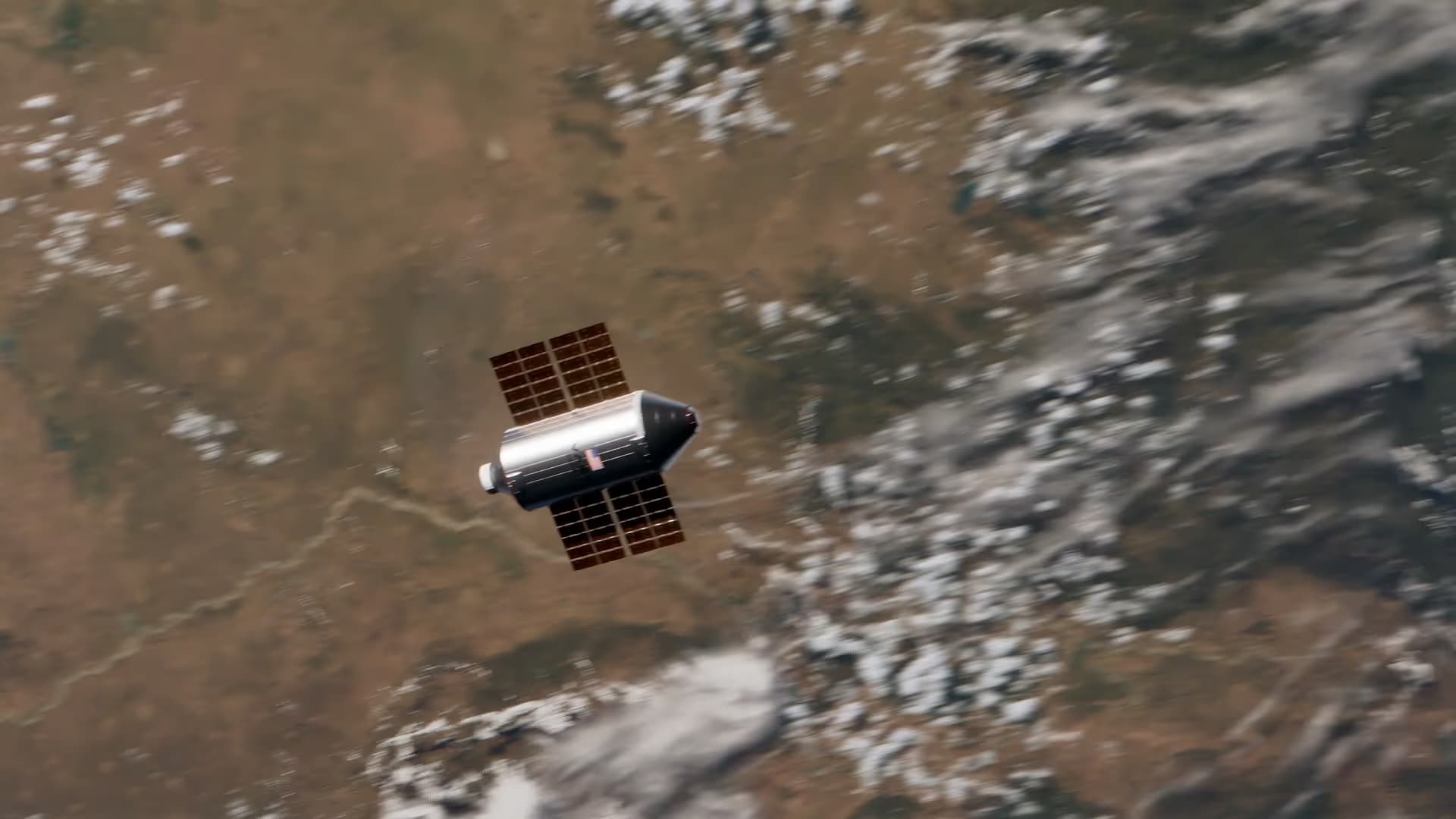
A single-module commercial space station scheduled to become the world's first, launching complete on a SpaceX Falcon 9 to a 425 km, 51.6° orbit. It hosts four astronauts for roughly two-week Dragon missions, with private crew quarters, a 1.1 m domed window, Starlink laser connectivity, and the Haven-1 Lab microgravity research facility. The flight structure has passed beyond-nominal pressure testing and is in final integration for launch readiness in Q1 2027, followed by an uncrewed Dragon docking verification before the first crew.
In clean-room integration; launch readiness targeted Q1 2027, first crewed mission (Vast-1) planned 2027

Vast's proposed successor to the International Space Station and its bid for NASA's CLD Phase 2 competition. Modules launch on Falcon Heavy roughly every six months starting in 2028, building from a single NASA-certifiable 16 m module to a nine-module station by 2032 with 12 crew, a 3.8 m cupola, EVA airlock, external payload facilities, and Starlink laser terminals. Unlike Haven-1's 160 crew-days of consumables, each Haven-2 module supports 720 crew-days and cargo resupply.
Design phase; first module targeted 2028 pending NASA CLD Phase 2 outcome (draft RFP released July 6, 2026)
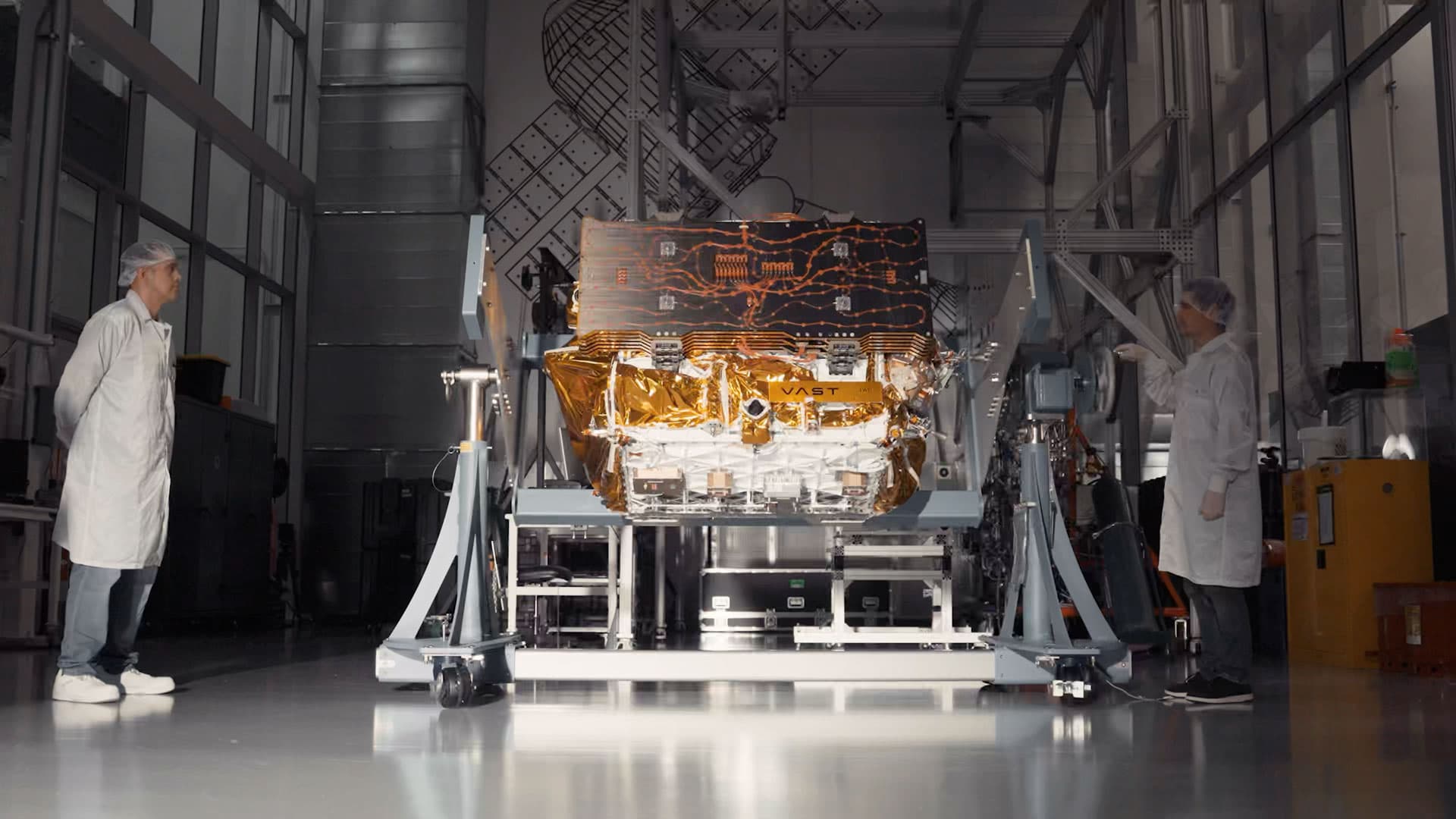
A 552 kg testbed satellite that flew Haven-1's non-human-rated systems in orbit before the station's launch. Launched November 2, 2025 on SpaceX's Bandwagon-4 rideshare to a 510 km orbit, it completed 49 test objectives — validating GNC, avionics, power, solar arrays, thermal control, propulsion, RF communications, and radiation mitigation — and ended with a controlled deorbit burn on February 4, 2026.
Mission success; deorbited February 4, 2026 after validating Haven-1 subsystems
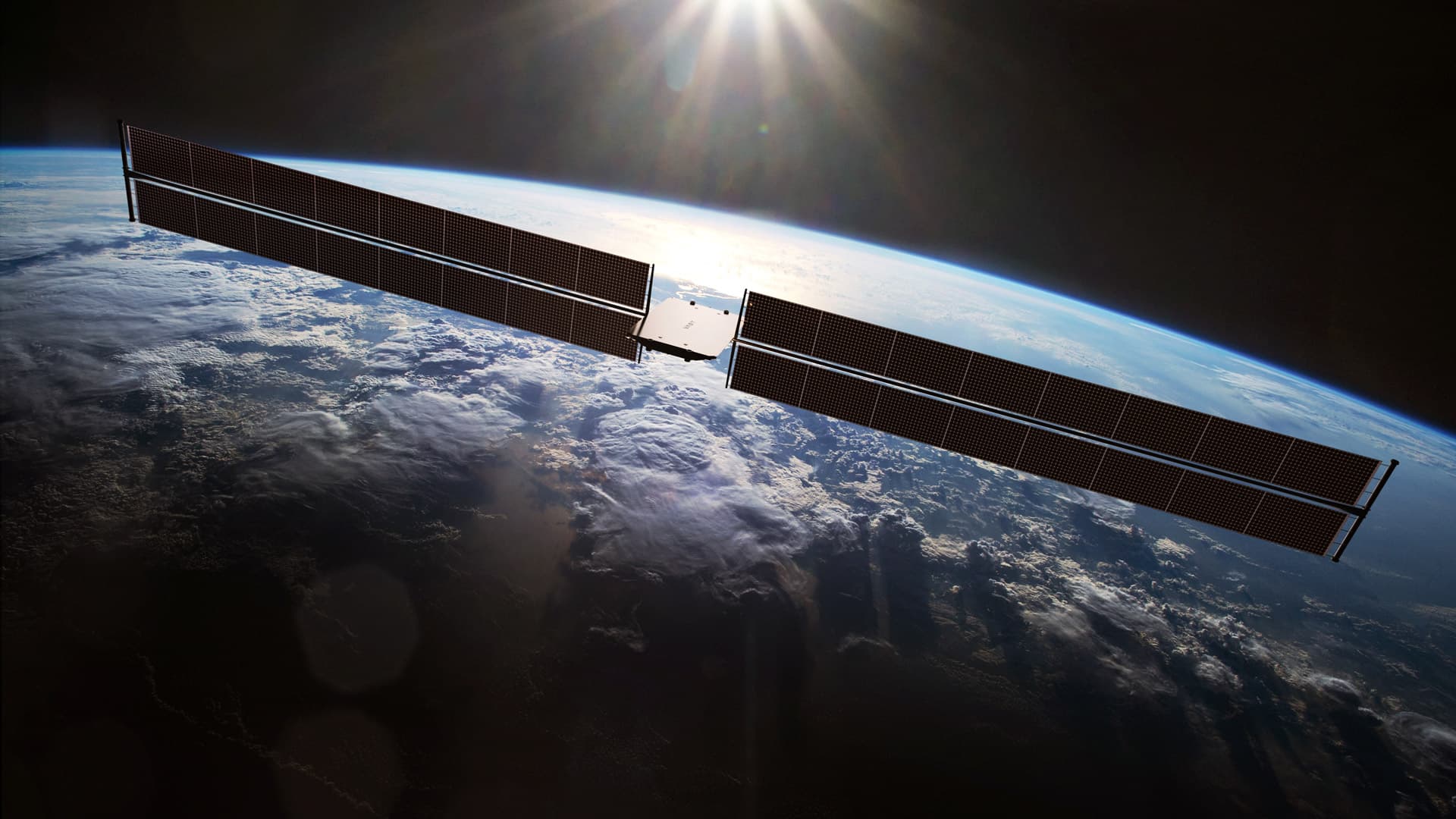
A high-power satellite bus line announced in May 2026, leveraging avionics, power systems, and flight software proven on Haven Demo. The inaugural 15 kW-class platform (700 kg dry mass, 350+ kg payload, 20+ kW peak payload power, 5-year design life, 350–1,200 km LEO) targets communications, Earth observation, national security, and orbital data-center constellations. A confidential first customer ordered 4 satellites with options for up to 200 more.
Announced May 2026 with first order signed (4 satellites + options for up to 200)
What's Next
Complete Haven-1 integration and environmental testing
Vast says it will finish all three integration phases (fluids/life support, avionics/GNC, crew interior and MMOD shielding) plus environmental testing in 2026. Watch for phase-completion updates and the flight vehicle shipping to test — the last major gates before launch.
Vast-1: first crewed mission to Haven-1
Four astronauts, including French ESA reserve astronaut Arnaud Prost as flight test engineer, would arrive within weeks of launch on a SpaceX Dragon for a roughly two-week stay — but timing depends on SpaceX verifying Haven-1 is safe for Dragon docking, which CEO Max Haot has said could take from two weeks to much longer. Watch crew announcements and docking-verification progress.
NASA CLD Phase 2 award decision (Haven-2 bid)
NASA released the draft RFP on July 6, 2026 (industry feedback due July 27) for firm-fixed-price contracts to develop ISS-successor stations, with at least two early-development winners, a crewed flight test required by 2029, and the award expected in spring 2027. Vast's Haven-2 roadmap (first module 2028) hinges on selection.
Sixth ISS private astronaut mission (PAM-6)
Vast's first NASA private astronaut mission — up to 14 days aboard the ISS via Falcon 9/Dragon, commanded by ESA astronaut Thomas Pesquet with crew from France and other partner nations. Watch for full crew announcement and mission pricing/manifest details at the September 2026 International Space Summit in Paris.
Track Record
0 of 2 announced dates hit · 2 slipped
Operations & Revenue
As of July 2026, Haven-1 is in clean-room integration at Vast's Long Beach headquarters, working toward launch readiness in Q1 2027 on a SpaceX Falcon 9. The thermal control system was integrated in June 2026, the company's in-house 10 kW Hall thruster (derived from JPL's H10) began vacuum-chamber testing demonstrating over 3,000 s specific impulse, and Vast says it is on track to complete all three integration phases and environmental testing in 2026. The Haven Demo pathfinder completed its flight-validation mission (November 2025 – February 2026), and after launch Haven-1 must pass an uncrewed Dragon docking verification before SpaceX flies the first Vast-1 crew, planned for 2027. In parallel, Vast is preparing its Haven-2 bid for NASA's CLD Phase 2 competition, whose draft RFP was released July 6, 2026.
Revenue Streams
Two-week missions to Haven-1 for government space agencies and private astronauts, sold per seat or as full four-person crews (SpaceX Dragon transport). France signed the first sovereign Haven-1 mission agreement in June 2026; additional partner-nation crew members are to be announced.
NASA services (ISS private astronaut missions and future CLD contract)
NASA selected Vast for the sixth ISS private astronaut mission (NET summer 2027), and Haven-2 is Vast's bid for NASA's multi-billion-dollar Commercial LEO Destinations Phase 2 program to succeed the ISS.
Microgravity research and manufacturing (Haven-1 Lab)
Hosted payload slots (10 slots at 30 kg / 100 W each) for research, pharmaceutical, and in-space manufacturing customers; partners include Redwire, Yuri Gravity, JAMSS, Interstellar Lab, Exobiosphere, and a 2026 biotech network including UC San Diego's Sanford Stem Cell Institute, Auxilium, LambdaVision, and BioOrbit.
Key Metrics
Timeline
In January 2026, Haven-1 begins three-phase clean-room integration (fluids and life support, then avionics/GNC, then crew interior and MMOD shielding). With the milestone, Vast updates the schedule from 2026 to launch readiness in Q1 2027.
On February 12, 2026, NASA selects Vast for the sixth ISS private astronaut mission (the first five went to Axiom Space) — up to 14 days aboard the ISS on a SpaceX Dragon, no earlier than summer 2027, focused on biology, biotech, physical science, and human research.
On March 5, 2026, Vast announces $500M in new funding — a $300M Series A led by Balerion Space Ventures plus $200M in debt — with IQT, Qatar Investment Authority, Mitsui, MUFG, Nikon, and McCaleb participating. The company reports 1,000+ employees and ~$1B in total private capital invested.
In May 2026 Vast launches a 15 kW-class satellite bus line built on Haven Demo flight heritage, targeting communications, Earth observation, national security, and orbital data-center constellations. A confidential first customer orders 4 satellites with options for up to 200 more.
On June 1, 2026, France signs for two Vast missions: the ISS private astronaut mission commanded by ESA astronaut Thomas Pesquet, and Haven-1's first crewed flight with ESA reserve astronaut Arnaud Prost as flight test engineer, both in 2027. Vast establishes a European headquarters in Paris and signs MoUs with the UK Space Agency and ESA/Czech Republic in the same month.
After pausing the Commercial LEO Destinations Phase 2 acquisition in early 2026 and lifting the hold on June 4, NASA releases a draft RFP on July 6, 2026 for commercial stations to succeed the ISS, calling for a crewed flight test by 2029 — the competition Haven-2 is designed to win.
On November 2, 2025, Vast's 552 kg Haven Demo testbed launches on SpaceX's Bandwagon-4 rideshare. It completes 49 test objectives — validating GNC, avionics, solar arrays, thermal control, propulsion, and communications — before a controlled deorbit on February 4, 2026.
Vast unveils the final Haven-1 design (October 2024) alongside Haven-2, a nine-module proposed ISS successor targeting first launch in 2028 and completion by 2032. It also announces the Haven-1 Lab microgravity research platform and signs The Exploration Company's Nyx capsule for future Haven cargo.
Vast acquires rocket startup Launcher in February 2023, roughly tripling its workforce and gaining the E-2 engine and Orbiter spacecraft platform; Launcher founder Max Haot joins as president. The company relocates to a 115,000 sq ft Long Beach headquarters.
In May 2023 Vast announces Haven-1, targeted to become the world's first commercial space station, launching on a Falcon 9 no earlier than August 2025, with the four-person Vast-1 Dragon mission to follow. In August, Max Haot is appointed CEO with McCaleb becoming chairman.
Crypto billionaire Jed McCaleb (eDonkey, Mt. Gox, Ripple, Stellar) founds Vast in El Segundo, California, to build artificial-gravity space stations, personally bankrolling the company. It publicly launches in September 2022 with former SpaceX VP Hans Koenigsmann as an early advisor.