
LG Energy Solution
Data verified as of Jul 27, 2026
Summary
LG Energy Solution is the largest battery manufacturer outside China and the West's main hedge against Chinese dominance of the cell supply chain. Spun out of LG Chem on December 1, 2020 from a battery division that dates to 1992, it listed on the Korea Exchange in January 2022 in a KRW12.75 trillion (about $10.7B) offering, still South Korea's largest IPO ever. It ranks third globally in EV batteries with 8.7% share and 41.0 GWh installed between January and May 2026, supplying GM, Tesla, Ford, Hyundai, Stellantis, Honda and Toyota through wholly owned plants in Korea, Poland and Michigan and joint ventures including Ultium Cells with GM, NextStar Energy with Stellantis and L-H Battery with Honda. The interesting part of 2026 is the pivot. With Western EV demand flat and the US federal tax credit gone, LGES has swung its North American capacity toward grid storage: its $1.4B, 1.7-million-square-foot Holland, Michigan plant is the first large-scale LFP cell factory in the United States, is scaling from 17 GWh to more than 30 GWh by the end of 2026, and its output is sold out three to five years ahead. GM and LG are converting an Ultium plant in Spring Hill, Tennessee from EV cells to LFP storage cells outright. The numbers show the transition mid-flight: 2025 revenue fell to KRW23.7T as EV sales slowed, but Q2 2026 revenue jumped 24.8% year over year to KRW7.56T on ESS and cylindrical demand and the company returned to an operating profit of KRW113.3B after three consecutive quarterly losses. Guidance for 2026 is revenue growth in the mid-teens to 20% with ESS sales more than tripling.
Main Products
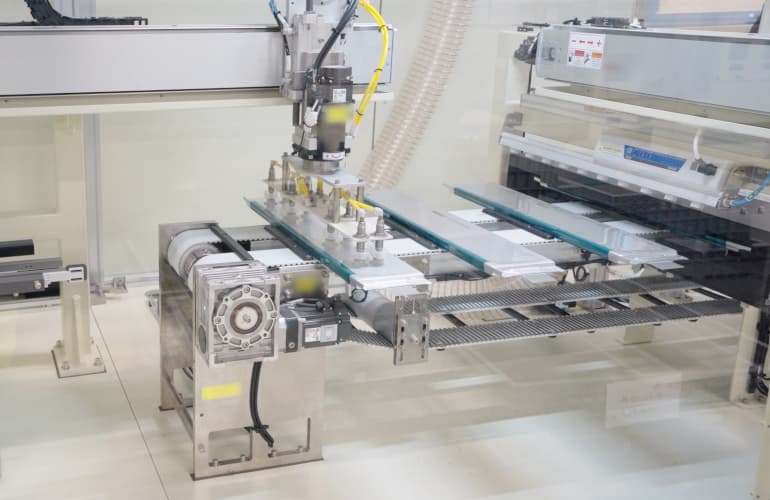
Lithium iron phosphate cells built for grid-scale storage, the product behind LGES's pivot away from EV dependence. They are made at the Holland, Michigan plant, the first large-scale LFP cell factory in the United States, which gives American storage developers a non-Chinese supply option that qualifies for domestic-content and foreign-entity-of-concern rules. Capacity runs from 17 GWh at the end of 2025 to more than 30 GWh by the end of 2026, and the full output is contracted three to five years ahead by large project developers.
In production at Holland, Michigan since June 2025; Spring Hill, Tennessee converting from EV cells to LFP storage cells during 2026
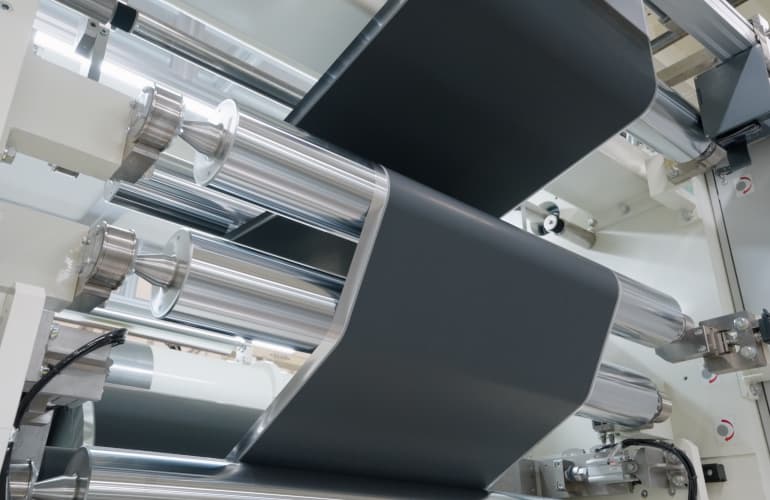
The pouch and cylindrical lithium-ion cells that made LGES the largest battery maker outside China, supplied to GM, Tesla, Ford, Hyundai, Stellantis, Honda, Toyota and Mercedes-Benz from plants in Korea, Poland and Michigan plus automaker joint ventures across North America. LGES held 8.7% of global EV battery installations from January to May 2026 on 41.0 GWh, third behind CATL and BYD, though its share slipped from 9.5% a year earlier as Chinese makers gained.
Shipping at scale, but revenue guided to decline in 2026 as Western EV demand stalls and capacity converts to storage
What's Next
Convert the Spring Hill Ultium plant to LFP storage cells
GM and LG are retooling their Tennessee joint-venture plant from EV cells to LFP cells for energy storage, recalling laid-off workers in the process. Completing the conversion turns capacity built for a car market that did not materialise into supply for one that did.
Restore a mid-single-digit operating margin
Management targets a mid-single-digit percent operating margin and higher absolute operating profit in 2026, through ESS volume, stable operations, structural cost work and better operational efficiency. Q2's KRW113.3B profit was a start but still 77% below the prior year.
Track Record
1 of 2 announced dates hit · 1 missed
Grow 2025 revenue by 5% to 10%
Target Year-end 2025 · Resolved Jan 28, 2026
Revenue fell instead of growing, coming in at KRW23.7T for 2025 against KRW25.6T in 2024, as major customers' EV sales slowed faster than ESS growth could offset. Operating profit did improve to KRW1.3T on a better product mix, material cost efficiency and North American production incentives.
Start LFP cell production at the Holland, Michigan plant in 2025
Target 2025 · Resolved Jun 30, 2025
LGES began producing LFP cells for energy storage at Holland, Michigan in June 2025 on two lines, adding a third by year end and reaching 17 GWh of annual capacity. It is the first large-scale LFP cell plant in the United States.
Operations & Revenue
LGES is executing the sharpest strategic turn of any large cell maker. Western EV demand stalled and the US federal clean-vehicle credit expired in September 2025, so the company has redirected North American capacity toward energy storage: the Holland, Michigan LFP plant is the first of its scale in the country and is sold out three to five years forward, and GM and LG converted their Spring Hill, Tennessee Ultium plant from EV cells to LFP storage cells outright in March 2026. The pivot is working on the top line, with Q2 2026 revenue up 24.8% year over year and the company back to an operating profit after three losing quarters, but profitability is thin: that operating profit was still down 77% against the prior year and leans on KRW241B of North American production subsidy. Guidance for 2026 assumes ESS sales more than triple while EV revenue falls, which makes the grid business, not cars, the thing to watch.
Revenue Streams
Pouch and cylindrical cells for GM, Tesla, Ford, Hyundai, Stellantis, Honda and Toyota, built in Korea, Poland, Michigan and a network of automaker joint ventures. Still the largest stream, but revenue is guided to decline in 2026.
Key Metrics
Employees
32,000+
Est. Annual Revenue
KRW23.7T (~$17B) in FY2025, down on the EV slowdown; Q2 2026 revenue of KRW7.56T was up 24.8% YoY, with full-year 2026 guided to mid-teens to 20% growth
Global EV battery market share
8.7% (41.0 GWh, Jan-May 2026) - third worldwide and the largest non-Chinese maker, down from 9.5% a year earlier
FY2025 results
KRW23.7T revenue; KRW1.3T operating profit (5.7% margin including US production incentive)
Q2 2026 results
KRW7.5602T revenue (up 24.8% YoY); KRW113.3B operating profit, ending three straight quarterly losses
2026 guidance
Revenue up mid-teens to 20% year over year, with ESS sales more than tripling and EV revenue declining
Timeline
Full-year 2025 revenue comes in at KRW23.7T with KRW1.3T of operating profit, a 5.7% margin including the North American production incentive. Revenue fell as major customers' EV sales slowed, but ESS grew solidly on the North American LFP expansion.
In March 2026 GM and LG shift their Ultium Cells plant in Spring Hill, Tennessee from EV battery production to LFP cells for energy storage, recalling laid-off workers. It is the clearest signal yet that the joint venture capacity built for cars is being redirected to the grid.
Preliminary Q2 2026 results announced July 7 show revenue of KRW7.5602T, up 24.8% year over year and 15.3% on the quarter, and an operating profit of KRW113.3B that ends three straight quarters of losses. ESS and cylindrical cell sales carry the quarter while EV demand stays weak; the North American production subsidy contributes KRW241B.
LGES opens a 1.7-million-square-foot LFP cell plant in Holland, Michigan, a $1.4B investment and the first large-scale lithium iron phosphate factory for energy storage in the United States. Production starts in June on two lines, with a third by year end.
LGES lists on the Korea Exchange in January 2022, raising KRW12.75 trillion (about $10.7B) at KRW300,000 a share, more than double the previous Korean record. The stock closes 68% above its offer price and the company becomes Korea's second most valuable listed firm after Samsung Electronics.