
iSpace (Interstellar Glory)
Peng Xiaobo
Data verified as of Jul 6, 2026
Summary
iSpace (Beijing Interstellar Glory Space Technology), founded in 2016 by former state rocket designer Peng Xiaobo, made history in July 2019 when its solid-fuel Hyperbola-1 became the first Chinese privately developed rocket to reach orbit. Hyperbola-1's track record has been uneven (four successes in eight flights), and the company's future now rests on Hyperbola-3, a partially reusable methane-liquid oxygen rocket sized between 8.5 and 13.4 tonnes to LEO. By April 2026, Hyperbola-3's JD-2 engines and both stages had been qualified for flight, a pathfinder was at Wenchang, and the Qinglan recovery drone ship was ready, with a first orbital flight and sea-recovery attempt targeted for 2026. In February 2026 iSpace closed a record 5.037 billion yuan (~$729.6M) Series D++ — the largest disclosed funding round by any Chinese launch startup — making it the country's best-funded private launch firm, and it is among the commercial players now undergoing IPO vetting in China.
Main Products
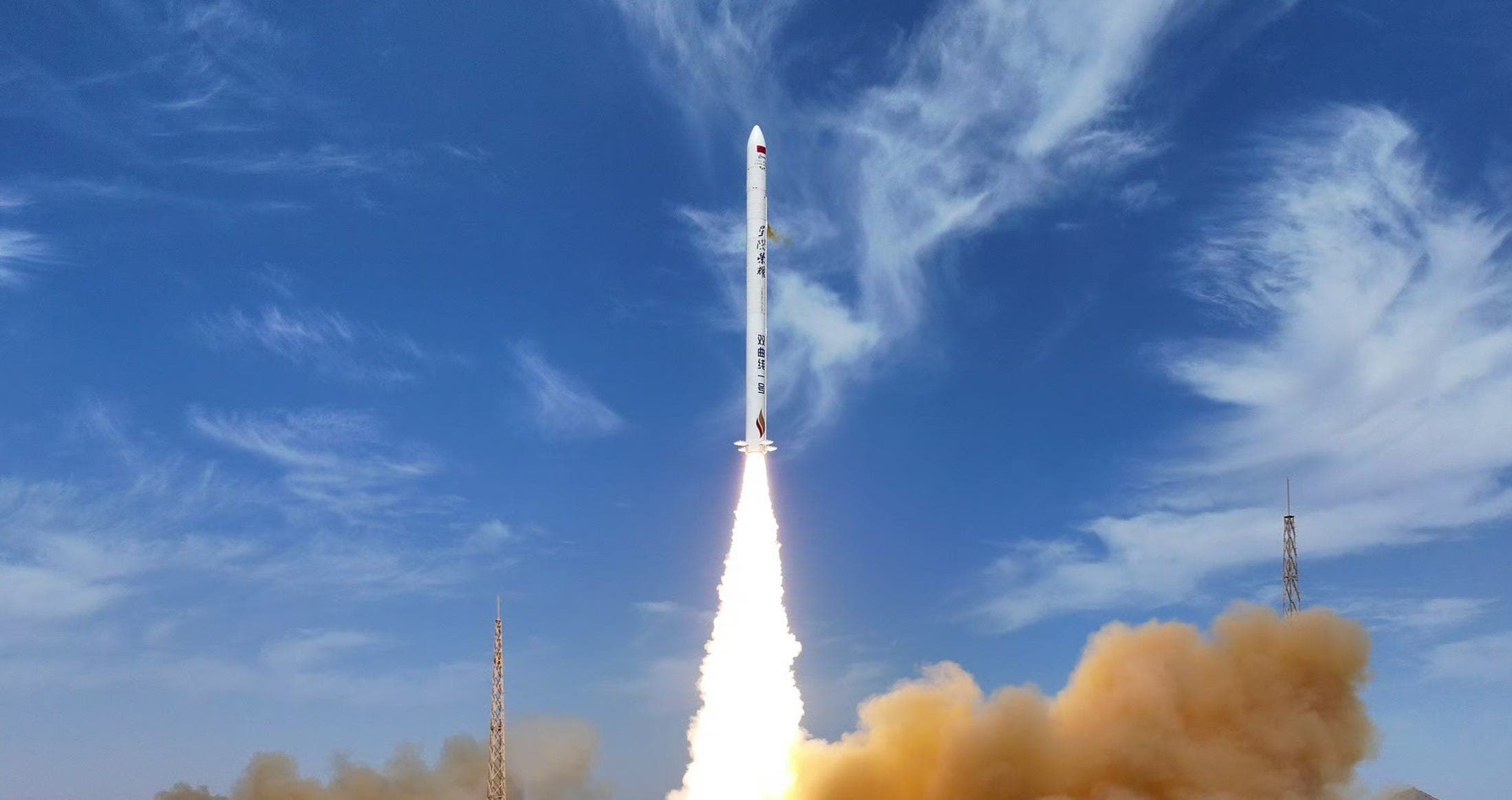
Four-stage solid-fuel small-lift orbital rocket with liquid attitude-control thrusters; the first privately developed Chinese rocket to reach orbit.
Operational from Jiuquan but with an uneven record of four successes in eight flights. It returned to flight on July 29, 2025, delivering the HS-9 satellite to sun-synchronous orbit.
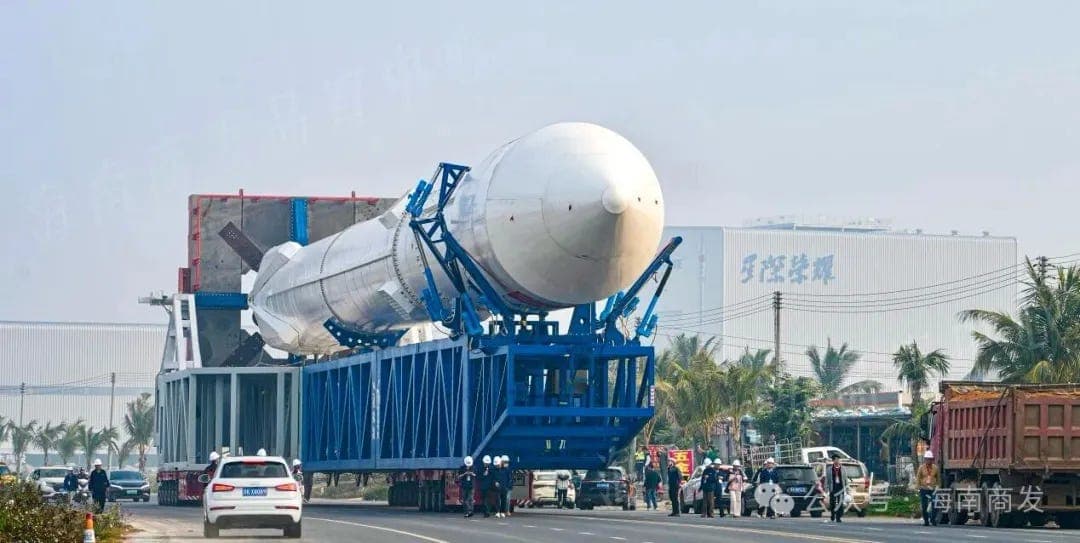
Two-stage, partially reusable methane-liquid oxygen rocket with a sea-recoverable first stage — iSpace's Falcon 9-class vehicle aimed at low-cost, high-cadence launch for satellite constellations.
JD-2 engines and both stages were qualified for flight by April 2026, with a pathfinder delivered to Wenchang and the Qinglan recovery drone ship ready. By mid-2026 the first-stage sea-recovery landing system had completed full-profile ground verification (a flight-weight drop-and-shock test). A first orbital flight with a sea-recovery attempt is targeted for 2026.
What's Next
Deploy record D++ war chest and advance toward IPO
Put the record 5.037 billion yuan (~$729.6M) Series D++ closed in February 2026 to work — expanding Hyperbola-3 final assembly and integrated-test capacity and raising Hyperbola-1's reliability — while progressing through the IPO vetting now underway for China's leading commercial launch firms.
Operations & Revenue
Hyperbola-1 is an operational but inconsistent solid rocket (four successes in eight flights, most recently in July 2025). The company's focus is the reusable methalox Hyperbola-3, whose JD-2 engines and both stages were qualified for flight by April 2026, with a pathfinder at Wenchang, the first-stage sea-recovery landing system through full-profile ground verification (a flight-weight drop-and-shock test iSpace reported May 17, 2026), and the Qinglan recovery ship ready. A first orbital flight with a sea-recovery attempt remains targeted for 2026, most likely in the second half of the year, backed by a record 5.037B yuan (~$729.6M) Series D++ closed in February 2026.
Revenue Streams
Small-satellite launches on the solid-fuel Hyperbola-1 from Jiuquan for Chinese commercial and research customers.
Key Metrics
Timeline
On February 12, 2026, iSpace closes a 5.037 billion yuan (~$729.6M) Series D++ round led by Tongchuang Weiye and Jingming Capital, with eighteen private investors and six provincial/municipal funds — the largest disclosed funding round by any Chinese launch startup, earmarked to accelerate Hyperbola-3 and its 'land-based launch, sea-based recovery' approach.
By April 2026, Hyperbola-3's JD-2 engines and both stages are qualified for flight, with a pathfinder delivered to Wenchang and the first-stage sea-recovery landing system completing full-profile ground verification, ahead of a debut orbital flight and recovery attempt targeted for 2026.
Funding
Cumulative disclosed raise · dated rounds