Form Energy
Mateo Jaramillo
Data verified as of Jul 27, 2026
Summary
Form Energy, founded in 2017 by former Tesla energy chief Mateo Jaramillo, MIT professor Yet-Ming Chiang, Ted Wiley, Billy Woodford and Marco Ferrara, is building the storage technology that lithium-ion cannot economically reach: a 100-hour battery. Its iron-air cells run on reversible rusting, oxidising iron with air from the atmosphere to discharge and converting the rust back to iron to charge, using materials so cheap the company claims a cost per kilowatt-hour a fraction of lithium-ion's. That makes multi-day storage viable, the duration Jaramillo argues is where batteries stop shaving peaks and start replacing thermal power plants. The company manufactures at Form Factory 1, a 550,000 square-foot plant in Weirton, West Virginia built on a former tin mill site, which is now in production and has begun delivering its first commercial system, a 1.5 MW / 150 MWh project with Great River Energy in Cambridge, Minnesota. Demand arrived faster than anyone expected once AI data centers started hunting for firm power: Form has more than 75 GWh of commercial projects under agreement, including a 300 MW / 30 GWh system with Google and Xcel Energy announced in February 2026 that Xcel calls the largest battery project by energy capacity ever announced, and a 12 GWh capacity agreement with Crusoe for AI data centers starting in 2027. Form has raised more than $1.4B from T. Rowe Price, GE Vernova, TPG Rise Climate, Breakthrough Energy Ventures, Temasek, GIC and others, is raising up to $500M more, and plans to go public in 2027.
Main Products
What's Next
Bring the first commercial iron-air system online in Minnesota
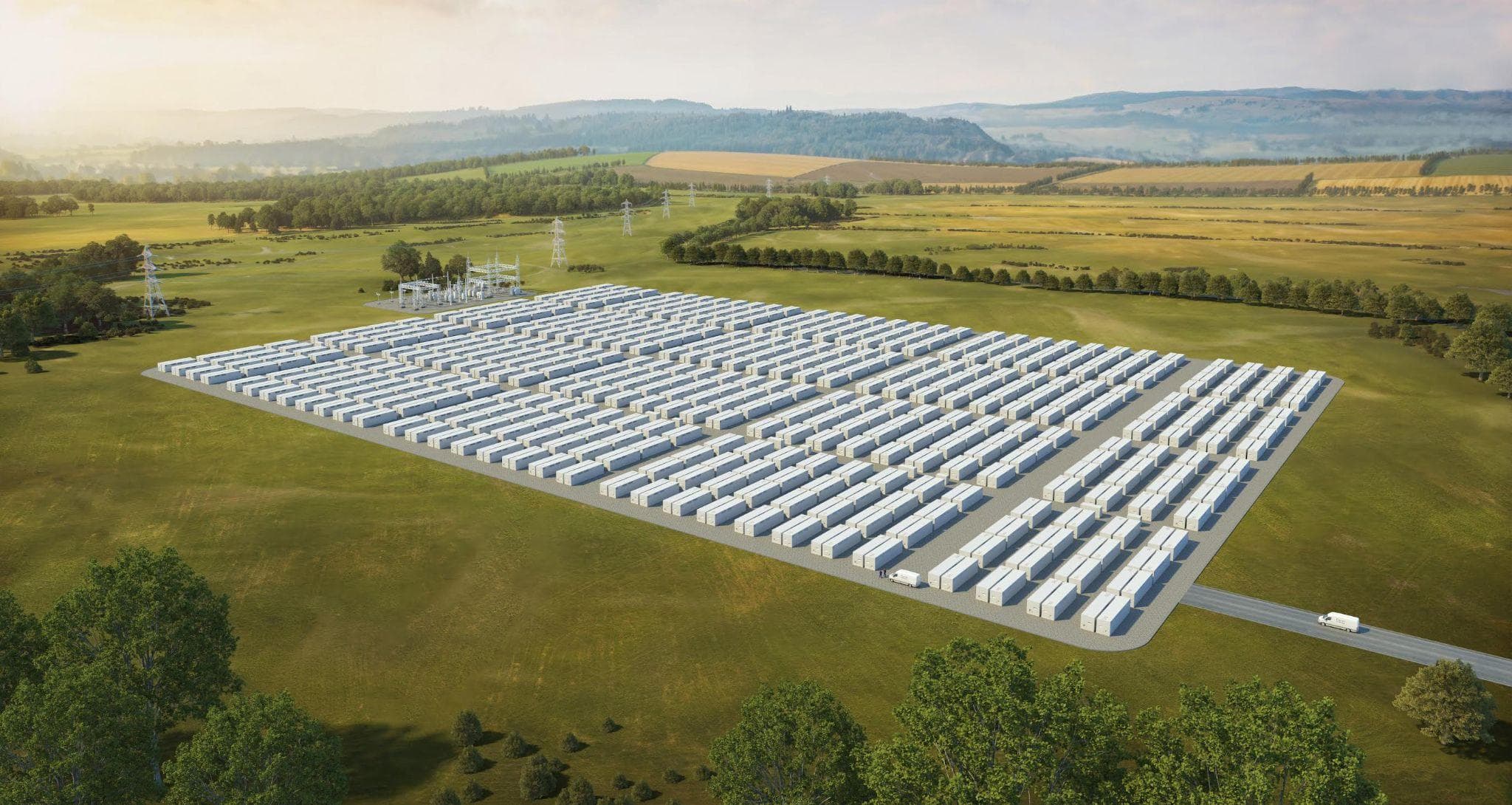
The 1.5 MW / 150 MWh Cambridge Energy Storage Project with Great River Energy is the first commercial deployment of iron-air anywhere. Delivery of the system has started and the full project is expected to come online during 2026, the first real-world proof that a 100-hour battery works on a live grid.
Ship the first modules for the Google and Xcel 30 GWh project
Form expects to ship the first modules for the 300 MW / 30 GWh Minnesota system by the end of 2028. At 30 GWh it would be the largest battery project by energy capacity ever built, and the deployment that decides whether iron-air scales from pilots to infrastructure.
Track Record
1 of 2 announced dates hit · 1 slipped
Bring the Cambridge, Minnesota iron-air project online by late 2025
Target Late 2025 · Resolved Mar 24, 2026
The 1.5 MW / 150 MWh project with Great River Energy did not reach operation in 2025. Form began delivering the system in early 2026 and now expects the full project to come online during 2026.
Start high-volume production at Form Factory 1
Target 2025 · Resolved Mar 24, 2026
Form confirmed it had launched production at the Weirton plant and commenced delivery of its first commercial system, moving iron-air from prototype to manufactured product. A nearly 300,000 square-foot expansion of the factory is now under construction.
Operations & Revenue
Form crossed from demonstration into manufacturing in 2026: Form Factory 1 in Weirton is running high-volume production, the first commercial system is being delivered to Great River Energy in Cambridge, Minnesota, and a nearly 300,000 square-foot factory expansion is under construction toward a 2028 goal of 500 MW / 50 GWh of annual capacity. The demand side has been transformed by AI. Google's 300 MW / 30 GWh commitment with Xcel and Crusoe's 12 GWh agreement pushed the order book past 75 GWh, and both are structured around data centers that need firm power rather than utilities shaving peaks. The risks are the ordinary ones for a first-of-a-kind industrial product: no iron-air system has yet run a full commercial year on a grid, the Minnesota pilot has already slipped from a late-2025 to a 2026 start, and Google's modules are not expected to ship until the end of 2028, so most of the pipeline is a promise rather than a delivery.
Key Metrics
Employees
~1,000 (West Virginia, Massachusetts and California)
Est. Annual Revenue
Not disclosed. Form is pre-scale on revenue: production started in 2026 and the first commercial system is only now being delivered, against a 75+ GWh order book whose deliveries run from 2027 onward.
Largest single project
300 MW / 30 GWh with Google and Xcel Energy - the largest battery project by energy capacity announced worldwide
Timeline
On February 24, 2026 Google and Xcel Energy announce plans for a 300 MW / 30 GWh iron-air battery on Xcel's Upper Midwest grid to serve a Minnesota data center, which Xcel calls the largest battery project by gigawatt-hour capacity announced anywhere to date. Google covers the buildout through a clean transition tariff; Form expects to ship the first modules by the end of 2028.
On March 24, 2026 Form and Crusoe announce a strategic capacity agreement for 12 GWh of multi-day storage to support AI data centers, with deliveries starting in 2027 and every system built at Form Factory 1. Form discloses more than 75 GWh of commercial projects under agreement.
Form completes the 550,000 square-foot Weirton plant within a year of breaking ground and passes UL9540A fire safety testing. In October it closes a $405M Series F led by T. Rowe Price and GE Vernova, which also signs a strategic collaboration MOU, taking total funding past $1.2B.
Mateo Jaramillo, who built Tesla's stationary storage business, teams up with MIT battery scientist Yet-Ming Chiang, Ted Wiley, Billy Woodford and Marco Ferrara to attack the one storage problem lithium-ion cannot solve economically: holding energy for days rather than hours.
Funding
Cumulative disclosed raise · dated rounds